


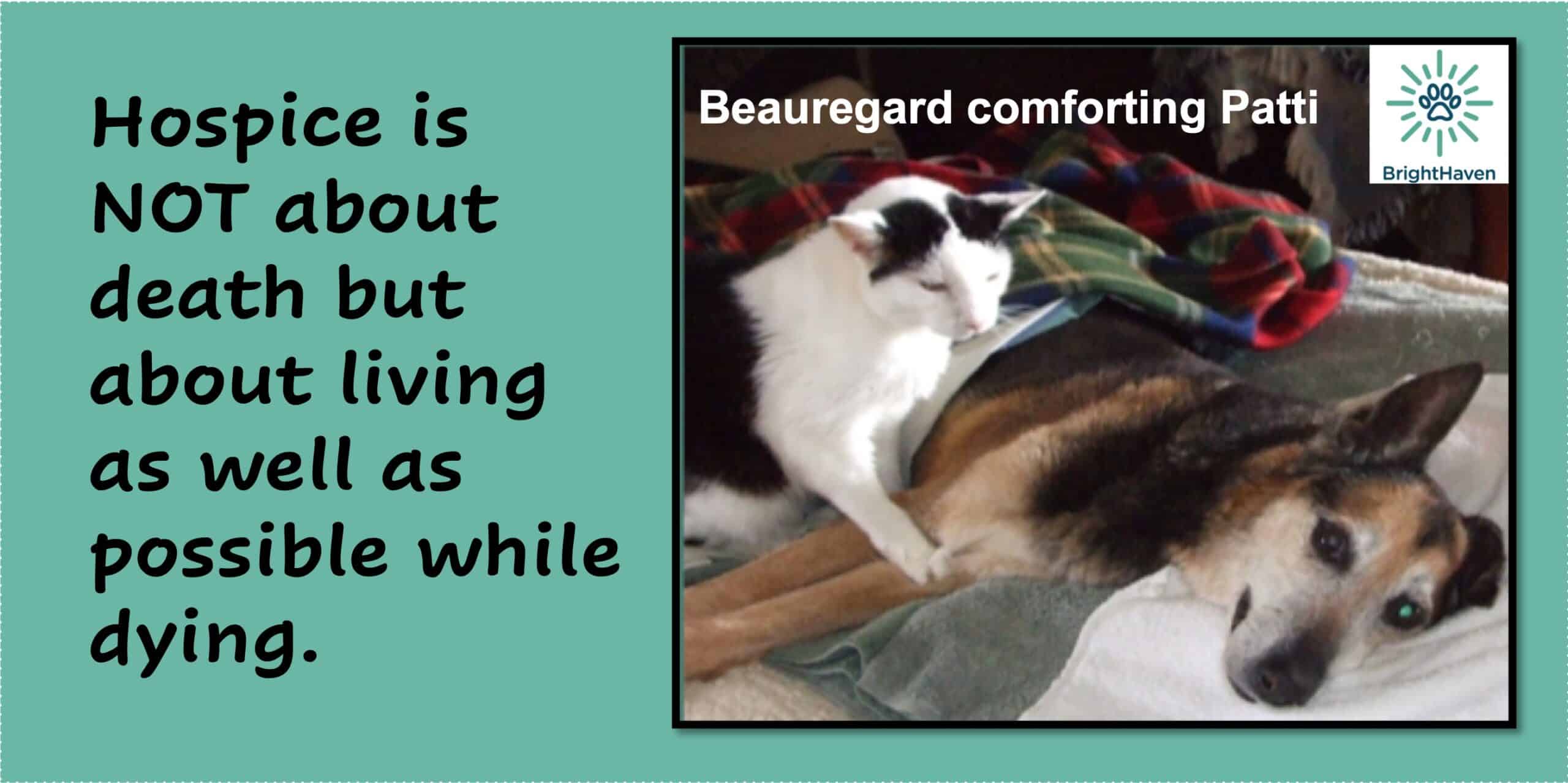
In Part 1, we explored living well through the last breath the BrightHaven way. Now let’s look at what animals taught us about dying well. And by the way, we’ve learned that quality of dying is as important as quality of living!
We truly believe that embracing death as a natural part of life greatly contributes to full living, which is why educating yourself about dying and death is so important. Knowledge reduces fear and increases confidence, and conscious decision-making may minimize future regrets. Also, releasing fears surrounding death can help you to feel freer and more alive!
BrightHaven’s Animal Hospice Philosophy
We’ve had the honor and opportunity to care for more than 600 animals through end of life since 1990. And by listening to the wisdom of animals, we created BrightHaven’s animal hospice philosophy:
At BrightHaven, when an animal enters hospice care our expectation is that the animal will have a painless, loving, peaceful journey followed by a painless, loving, peaceful and natural death.
If a place is reached during that journey where the caregiver, the veterinarian AND the animal believe the animal to be in need of critical assistance, then euthanasia will be used.
As the above guiding statement shows, BrightHaven supports natural death. But BrightHaven also supports euthanasia.
It is our belief that every animal caregiver should have as much information as possible to make the best choices for their animal and their particular situation. And we offer many useful resources to assist animal caregivers with this process.

BrightHaven Guiding Principles for Dying Well
Let’s now look at some of the very important lessons we’ve learned about dying and death from our animal loved ones:
- Dying is a normal process, an organized series of events, as is death (and birth). The dying process can be thought of as the labor period, necessary to give birth to a new life.
- Each being follows his or her unique path—there are no set-in-stone rules about the dying and death processes.
- Dis-ease causes pain, not the dying process itself. If pain hasn’t been present as part of an illness, it won’t suddenly manifest at the very end of life.
- Pain control and comfort care remain top priorities during animal hospice and the dying process.
- Death is an ordinary part of life and NOT a failed medical event. With or without medical intervention, death is an inevitable, natural part of life and happens to us all.
- Fewer drugs at end of life may result in a gentler death.
- Suffering is often in the eye of the beholder and frequently based in deep-rooted fear.
- Seeing with your heart rather than your eyes can help you to tune into that bright center within each and every being that is always strong and perfect and whole no matter what—one’s true essence.
- All beings are completely alive until dead.
- Animals prefer a death shared in love rather than fear, whether it be natural or by euthanasia.
- The grieving process actually begins when we are told, or when we first realize that the end of life may be sooner than expected. This type of grief is an example of anticipatory grief.
- Love lives on after death and forever…
Myths About Dying & Death
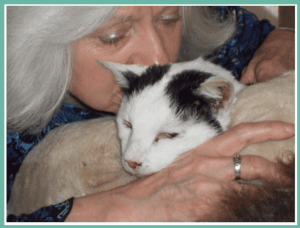
We’d also like to share with you a few of the common falsehoods about dying that BrightHaven President & Founder Gail Pope often hears in her consultations with caregivers. Each one is followed by a helpful response:
- MYTH: Pain medicine may cause death.
Hospice veterinarians are trained in the use of a range of pain meds to only dispense the dose necessary to alleviate pain or perhaps help with breathing. When administered correctly, pain meds help terminally ill animals enjoy a better quality of life at the end of life.
- MYTH: Not eating means they will starve to death.
At end of life, animals do not die because they are not eating; they do not eat because they are dying, and the digestive system is the first to shut down. The dying one simply feels no hunger. Beings will be more comfortable when not eating because the body’s natural pain killers, called endorphins, will be released and promote a sense of wellbeing.
- MYTH: Not drinking leads to painful dehydration.
Actually, dehydration at end of life reduces possible nausea, vomiting or congestion. Use of artificial fluids at this time may increase discomfort in some situations—be sure to consult with your veterinarian.
Additional Myths About Dying & Death
- MYTH: As death is near, I must do everything possible to keep my loved one alive.
This one is very important. When dealing with a progressive or terminal illness, unnecessary or overuse of medicine, food, drink and machines may only lengthen the dying process rather than prolong living.
- MYTH: When animals die alone, their loved ones have failed them.
Animals and people often wait either for someone to be with them or for someone to leave the room before they die. In other words, they decide whether they want others present when they depart this world or not. Their knowledge of the love shared is what is MOST important.
- MYTH: We should not burden the dying with our tears and must remain positive.
Dying is a time to show we care and a time to share in everything. Also, research suggests that when you cry, your body releases endorphins and oxytocin. These natural chemical messengers help relieve emotional distress along with physical pain. In other words, crying is a self-soothing behavior.
- MYTH: It’s too late to say goodbye if they are in a coma.
The last senses to be lost are hearing and touch. Now is the time for gently holding a paw and sharing memories of the good or funny times, telling them how much you love them and that you will be okay. It is also very important to give them permission to leave.
More of What We’ve Learned About Dying & Death
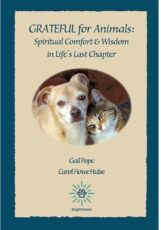
If you’d like to learn more about what animals have taught us about dying and death, our latest book may be of interest to you. It’s called GRATEFUL for Animals: Spiritual Comfort & Wisdom in Life’s Last Chapter, available on Amazon.
Other BrightHaven books primarily focus on navigating a terminal diagnosis or understanding the dying process and how people can help their animals transition peacefully. This particular one shows how following the wisdom of their animals brought many life-changing spiritual lessons and helped shape BrightHaven’s animal hospice and holistic healthcare approach.
Live your life knowing that your true being is deathless. This is a great comfort, as you can leave sorrow behind and be inspired. —Dr. Wayne Dyer
BrightHaven Caregiver Resources to Help Your Animal Live Well Each and Every Day!
 ANIMAL WISDOM FOR LIVING WELL!
In a time of so much change and chaos, with old ways of being and doing undeniably falling away, animals can show us a much better and more authentic way to live. Find out what they’d like to share in GRATEFUL for Animals: Spiritual Comfort & Wisdom in Life’s Last Chapter, available on Amazon. (Authors: Gail Pope, BrightHaven President and Founder; Carol Howe Hulse, BrightHaven Education Program Manager)
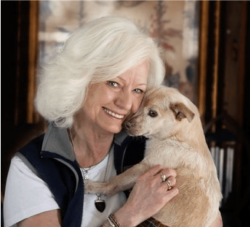
(Photo by in joy photography)
- Do you have questions about how BrightHaven’s holistic healing or animal hospice care approaches can help your animal? Do you wish to discuss end-of-life concerns and options? We invite you to book a consultation for experienced and compassionate support.
- Follow Your Heart: Navigating a Terminal Diagnosis – helps you walk this often-challenging path with a deeper sense of peace, confidence and clarity. (Author: Gail Pope)
- The BrightHaven Guide to Animal Hospice – learn how to care for your animal companions in their Golden Years and through the end of life. (Author: Gail Pope)
- Soar My Butterfly: The Animal Dying Experience – a simple guide to the signs and symptoms you may encounter during the final stages of the natural dying process. (Author: Gail Pope)
- BrightHaven Online Learning – help your loved one live the best life possible each and every day! We share what we’ve learned about holistic healing, animal hospice and living and dying well by following the wisdom of the animals since 1990.

(Photo by Beth Shields)
- Walking with My Dog Through (End of) Life – an intimate look at a profound life passage, from terminal diagnosis through hospice care and a peaceful, gentle natural death. (Author: Carol Howe Hulse)
For more resources and information to help you help your furry family member, please visit BrightHaven’s Caregiver Resources & Education and Animal Caregiver FAQ.
Join the BrightHaven Family!
By becoming a part of our network of valued supporters, you will stay abreast of additions to our Caregiver Resources and Education (including animal hospice and holistic healthcare) program.
You will also receive information about animals needing rescue and updates on those we have saved through our Rescue program that specializes in medical rehabilitation, which makes us unique.
Your user information will never be shared with a third party without permission or sold.
We truly appreciate your support!